
SOLARIS TWOBorut Šeparović
Co-production between INT Pula and MONTAЖSTROJ
“What if a theater play decides to meet its film counterpart face to face – and in the process gets another, digital counterpart?”
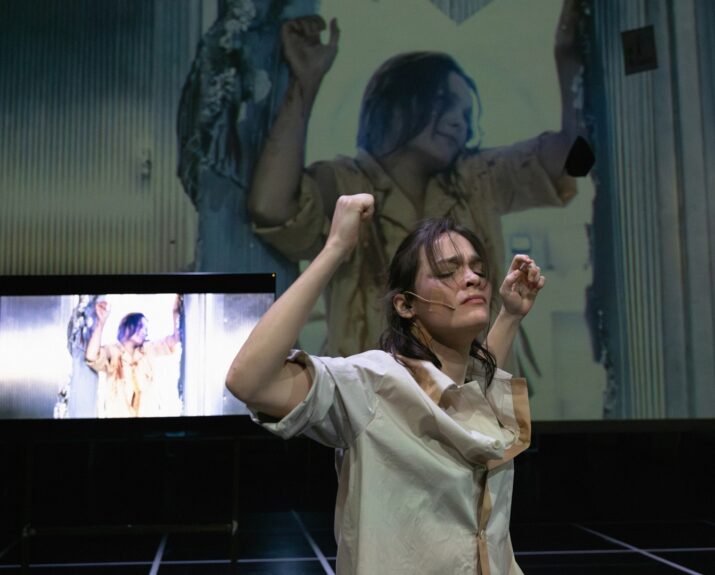
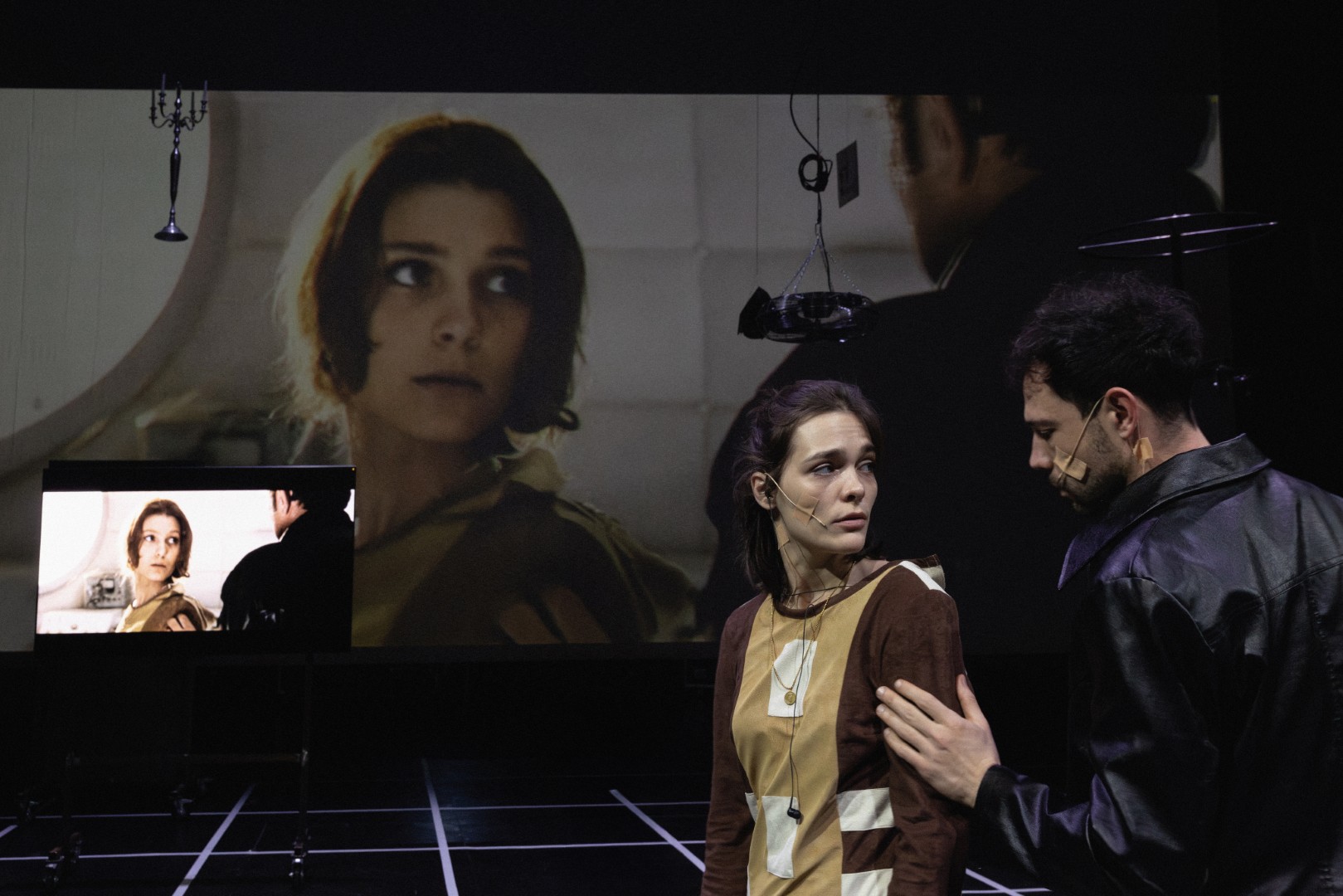
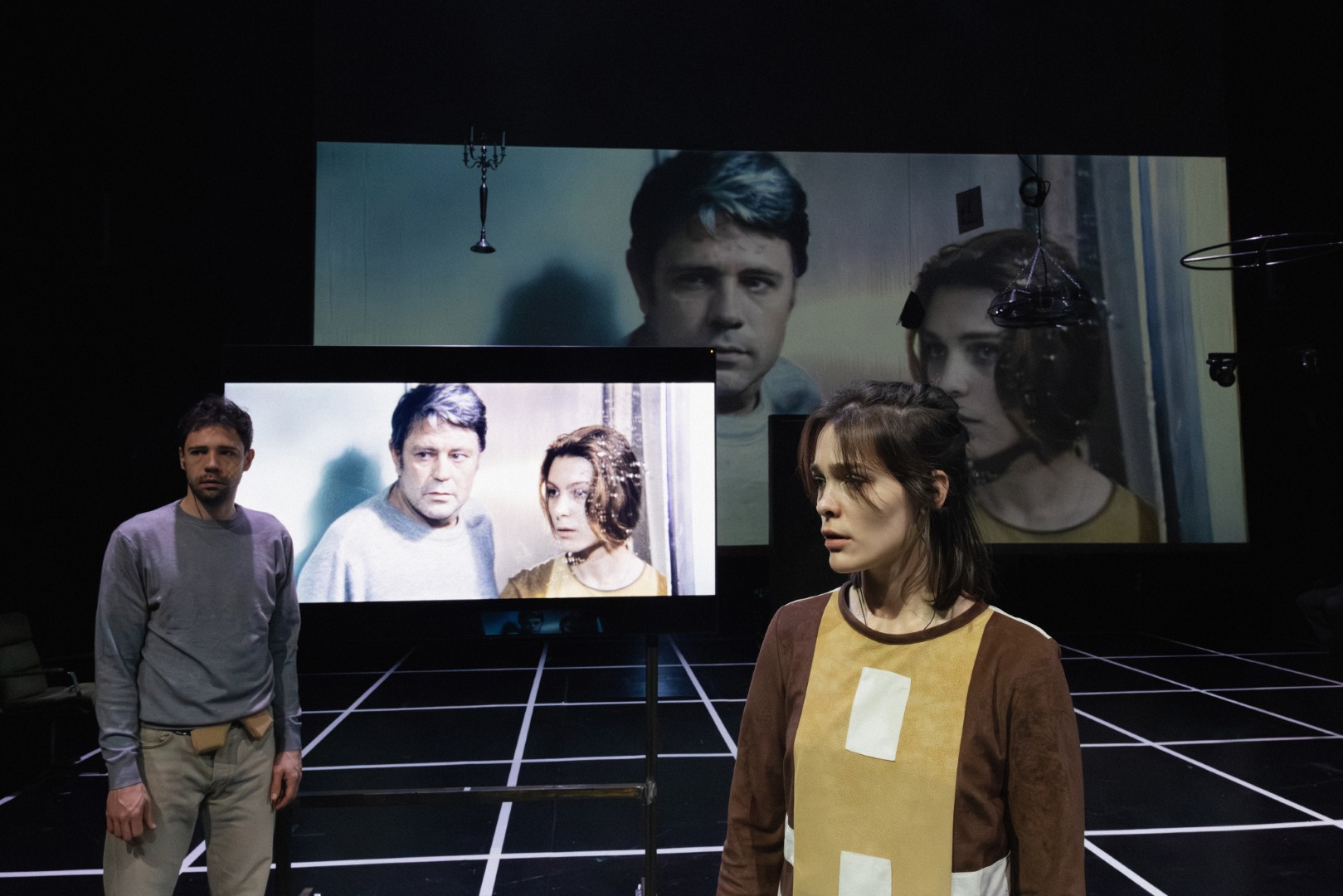
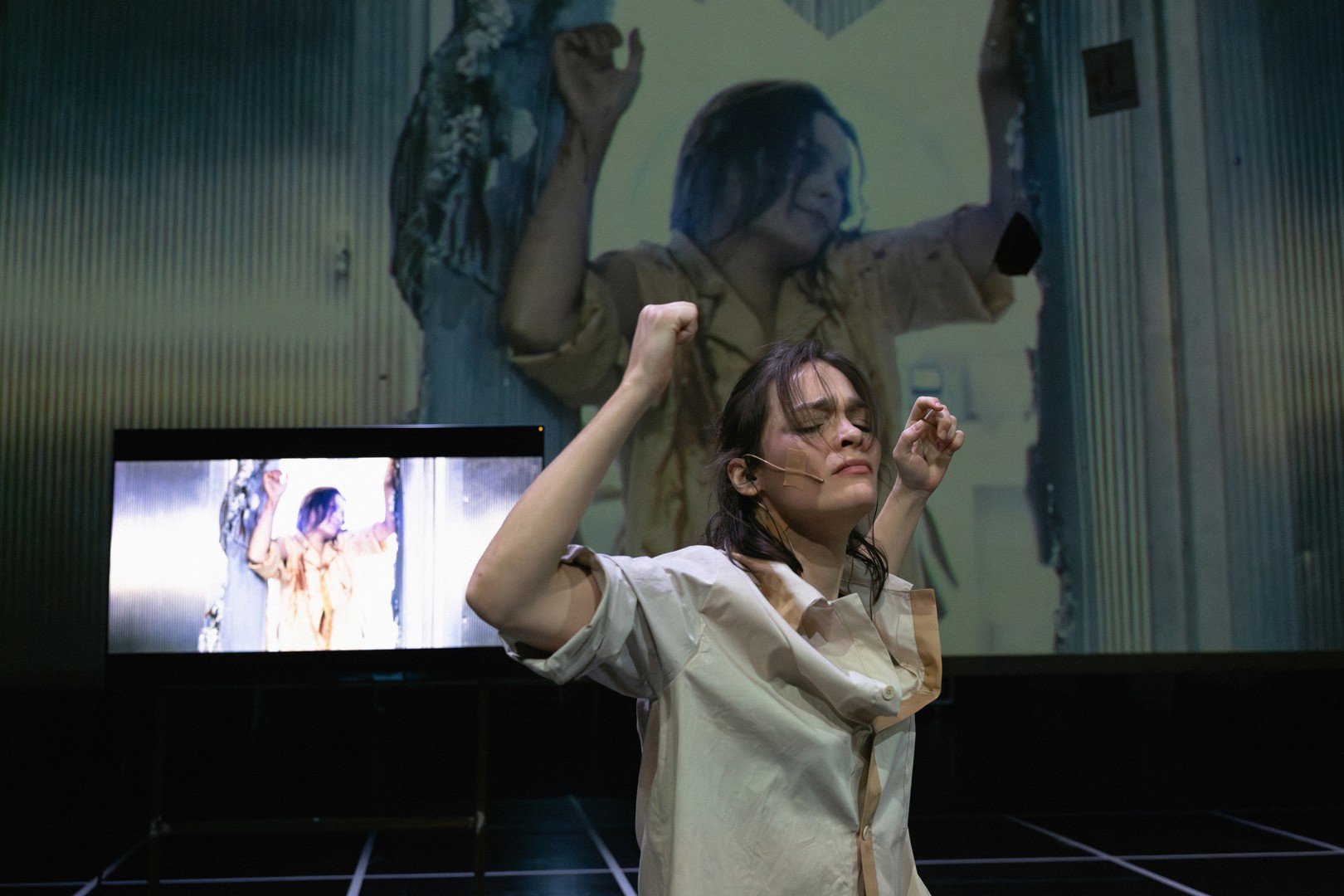
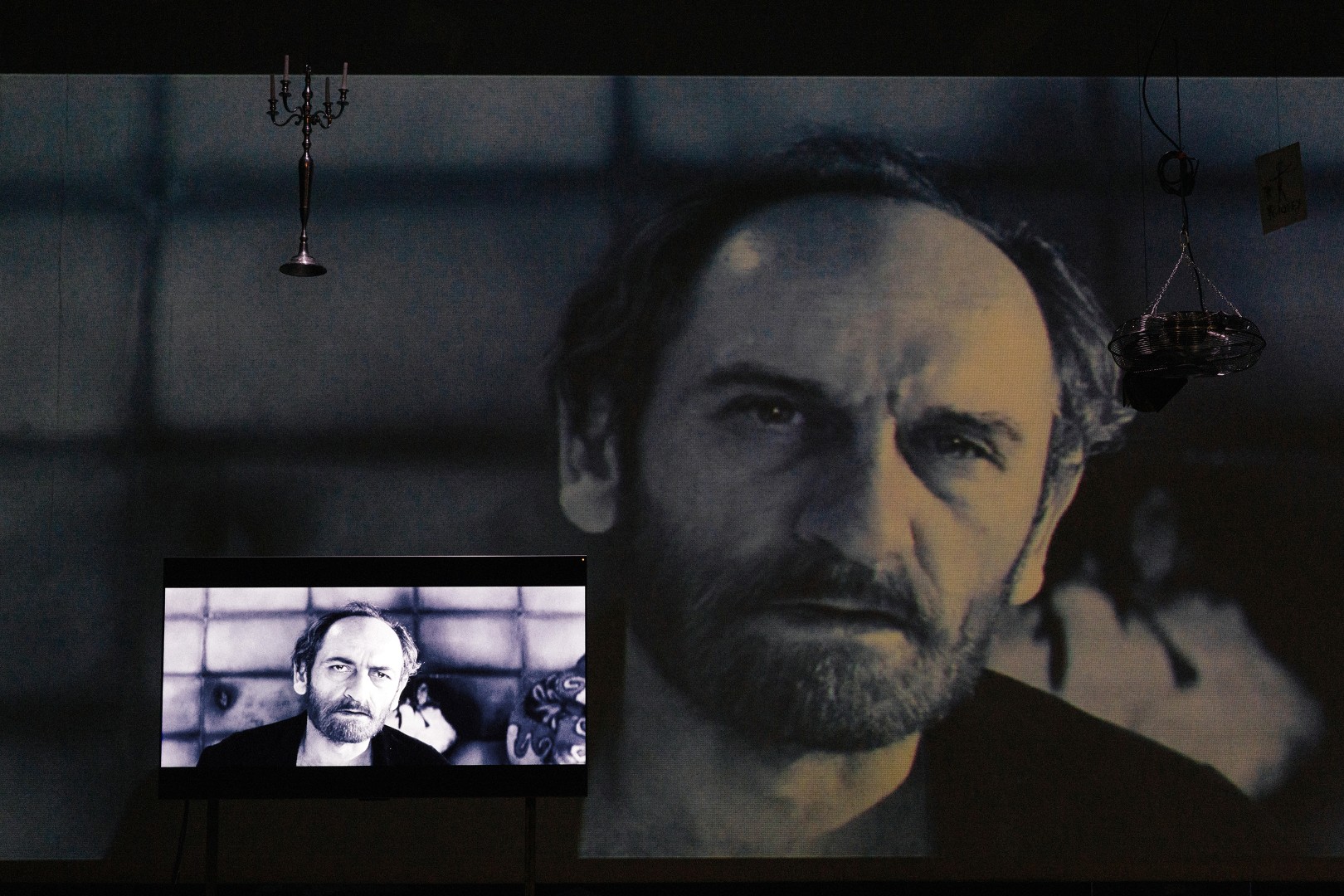
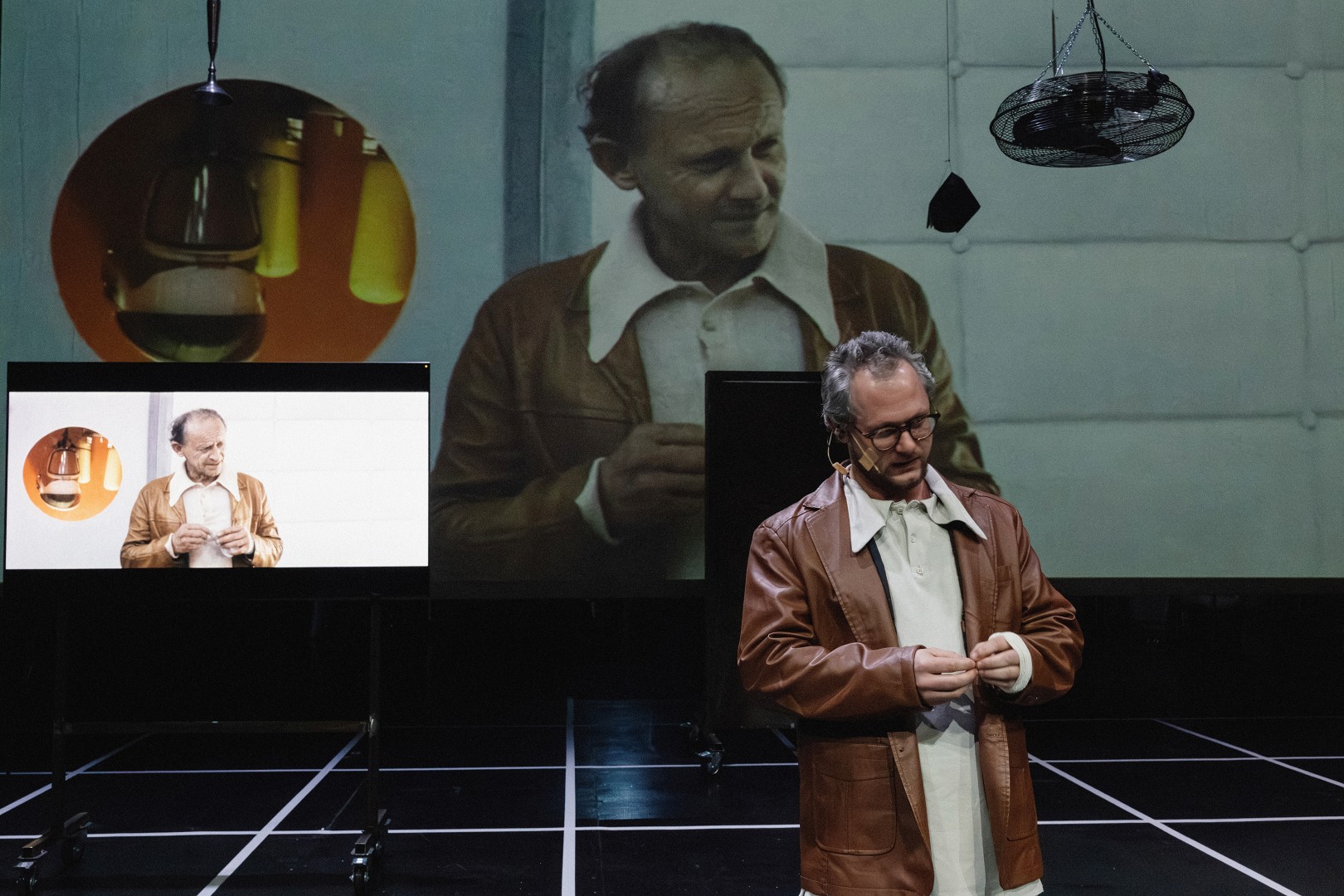
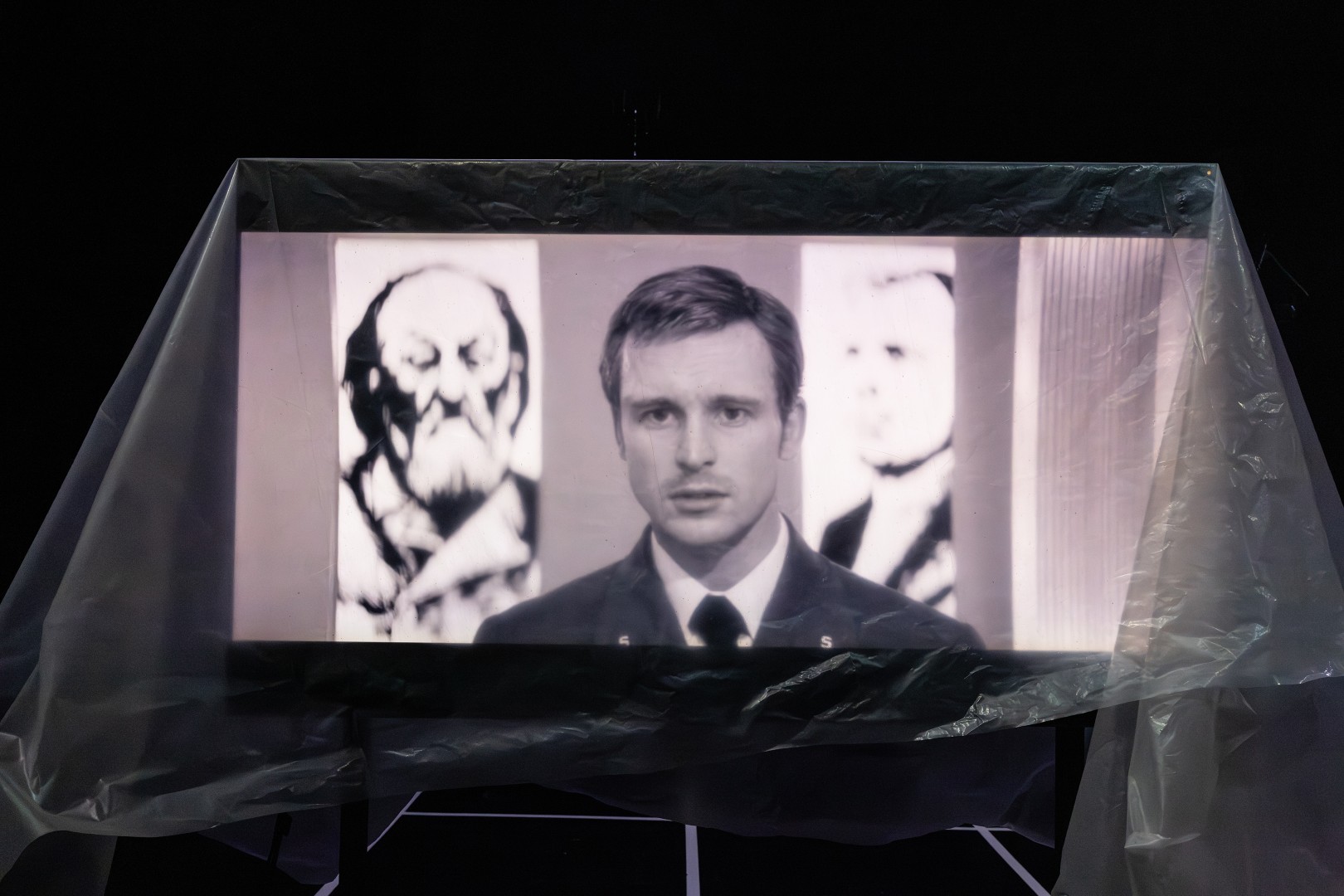
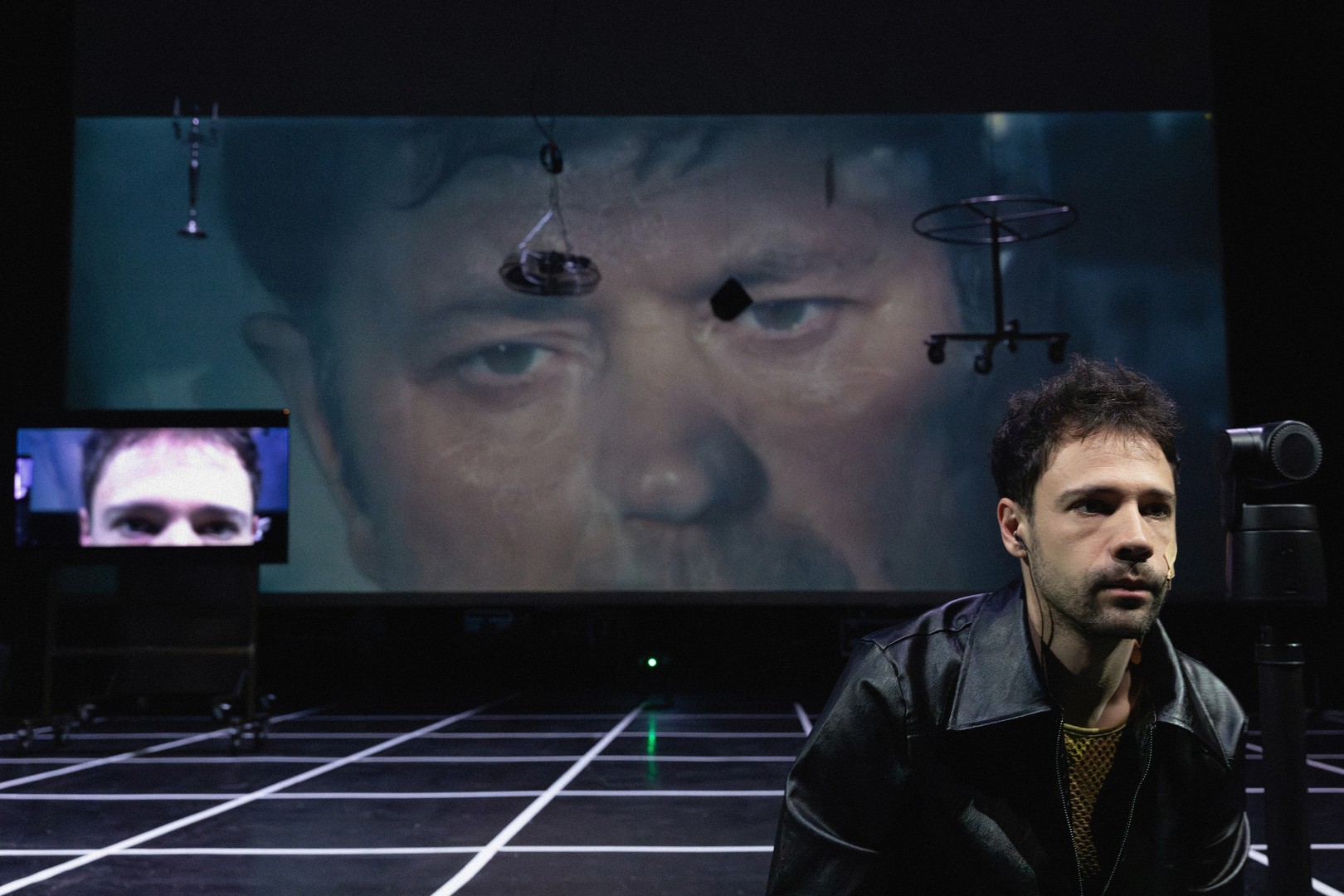
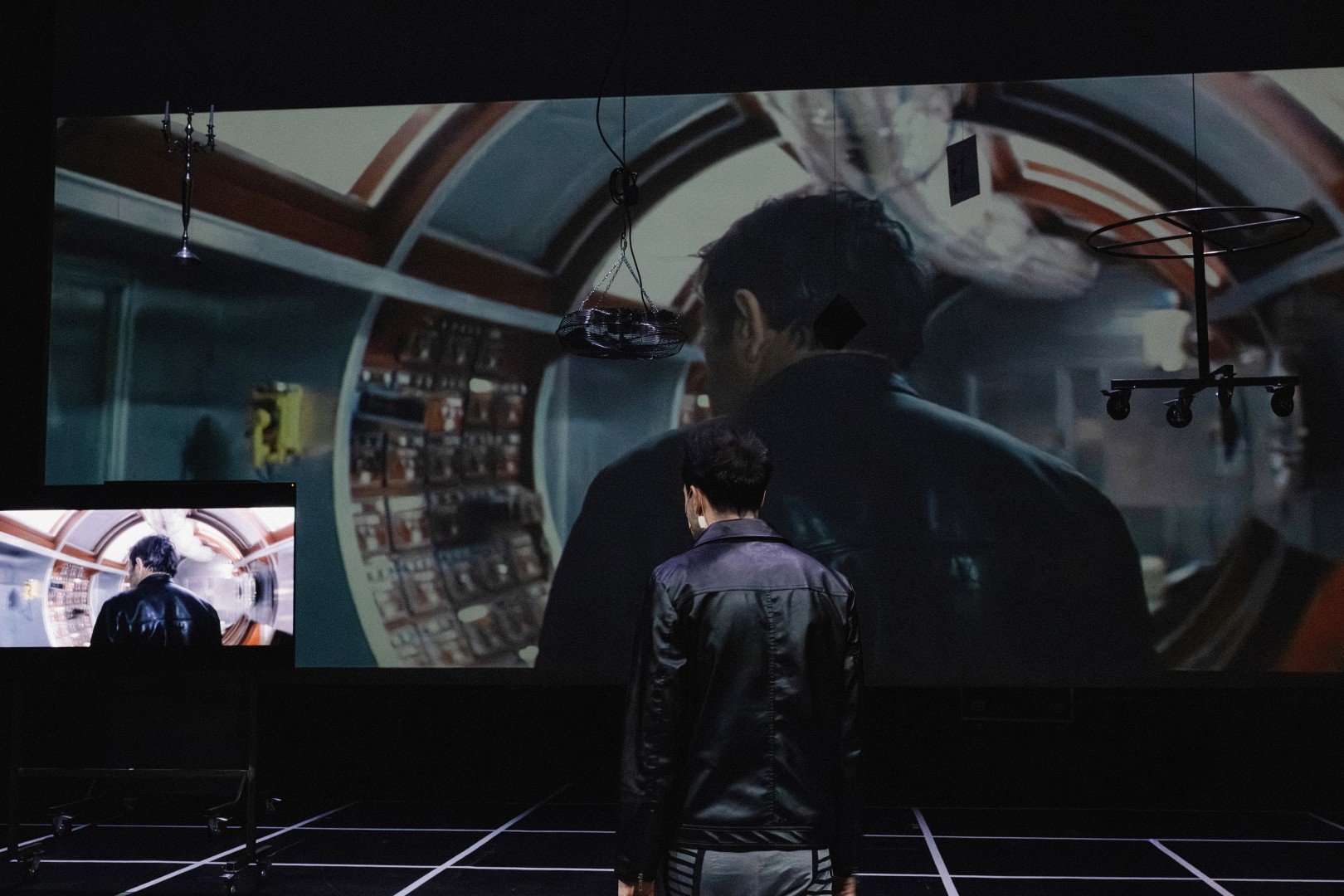
Based on Stanisław Lem’s novel and Andrei Tarkovsky’s cult film (1972), SOLARIS TWO relocates Solaris to the age of generative artificial intelligence and the infinite data cloud. The stage becomes a laboratory of perception: a live performance, an archival film, and their computer-generated version unfold simultaneously before the audience – a space that questions what we still recognize as true today, when visual evidence can be falsified as easily as everyday content on the web.
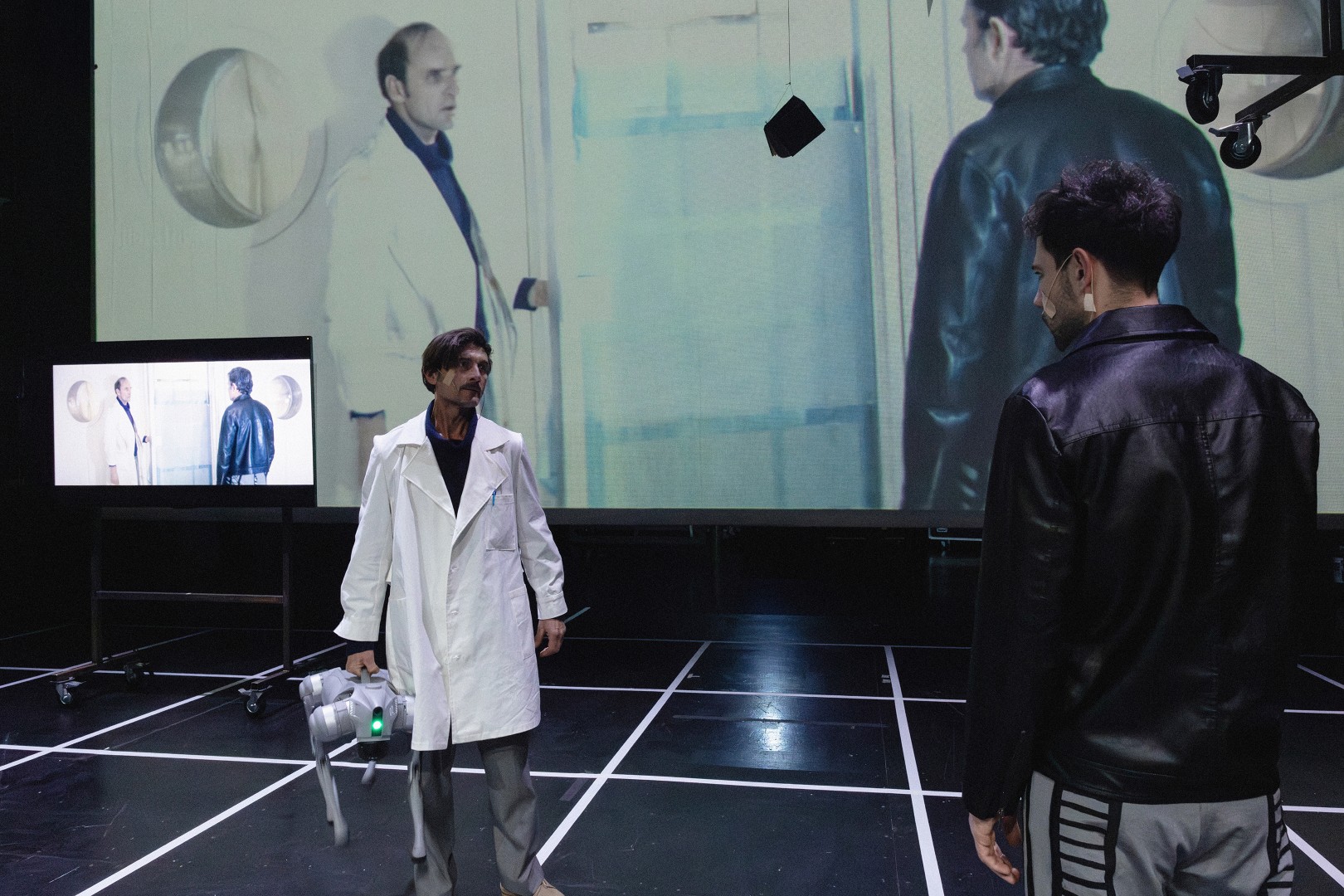
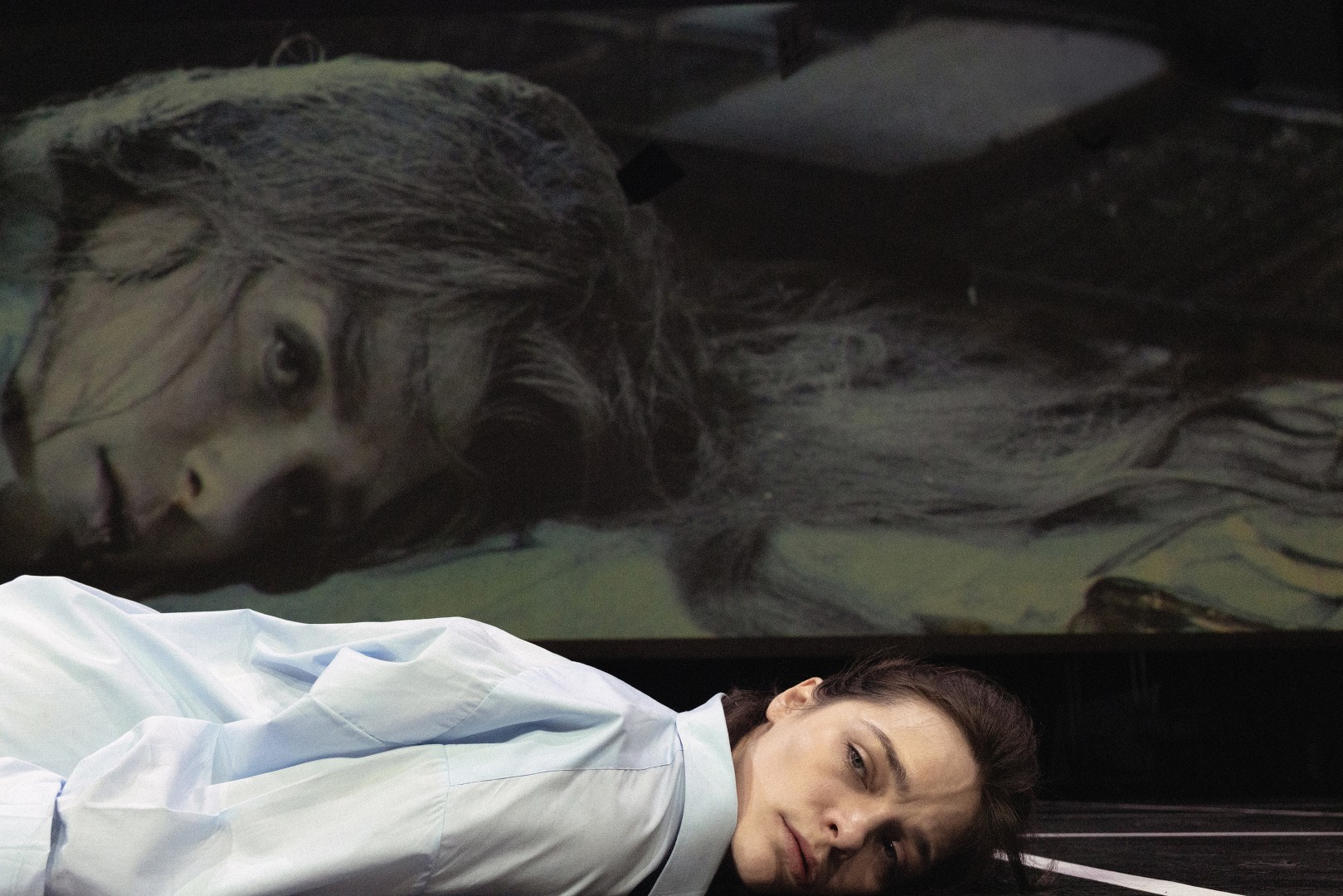
At the center is psychologist Kris Kelvin ( Matija Čigir ), faced with “guests” – phenomena created from fragments of memory and the unconscious. Hari ( Rea Bušić ), the doppelganger of her deceased partner, is at once palpably present and radically unreal: the body and movement belong to the actress, while deepfake technology occasionally “borrows” her face from the film archive. At one point, three Haris meet on stage – the one from the film, the one from the theater and the one generated by the computer – and it is in this thin crack between the media that SOLARIS TWO is born.
Alongside Kelvin and Hari, Snaut ( Nikola Nedić ) and Sartorius ( Sven Medvešek ) are on stage , and the performance also includes video/AI hybrid performances: Doctor Gibarian ( Frano Mašković ) and pilot Henri Berton ( Vedran Živolić ) appear exclusively via video. As an additional “guest” – a non-human performer/“visitor” – the play also features the robotic dog Unitree Go2 AIR, a figure of robotics that brings literal, embodied technology into Solaris’s logic of “otherness.”
The dramaturgy is by Filip Rutić (based on the motifs of the novel Solaris and the screenplay of the film by Tarkovsky and Fridrih Gorenštajn). The visual and technological identity of the play is shaped by Konrad Mulvaj (video, multimedia, AI-programming): he treats the archival film material as an active layer of the performance, synchronizes the projections and real-time image transformations live, and at the same time coordinates the movement of the robotic dog from the console. The set design is by Filip Triplat (based on the motifs of the film set design by Mihailo Romadin), and the costumes are by Desanka Janković (based on the original solutions by Nelli Fomina). The lighting design (for the live performance) is by Anton Modrušan , and the assistant for stage movement is Roberta Milevoj . The sound image of the play is created in dialogue with the music from the film by Andrei Tarkovsky (Johann Sebastian Bach / Eduard Artemjev) and the author’s interventions by MONTAŽSTROJ and AI processing.
SOLARIS TWO asks the question: where does man end and machine begin – and can a love composed of memories and algorithms be any less real.
The project was made possible by: City of Pula, Ministry of Culture and Media of the Republic of Croatia, City of Zagreb – City Office for Culture and Civil Society, Kultura nova Foundation