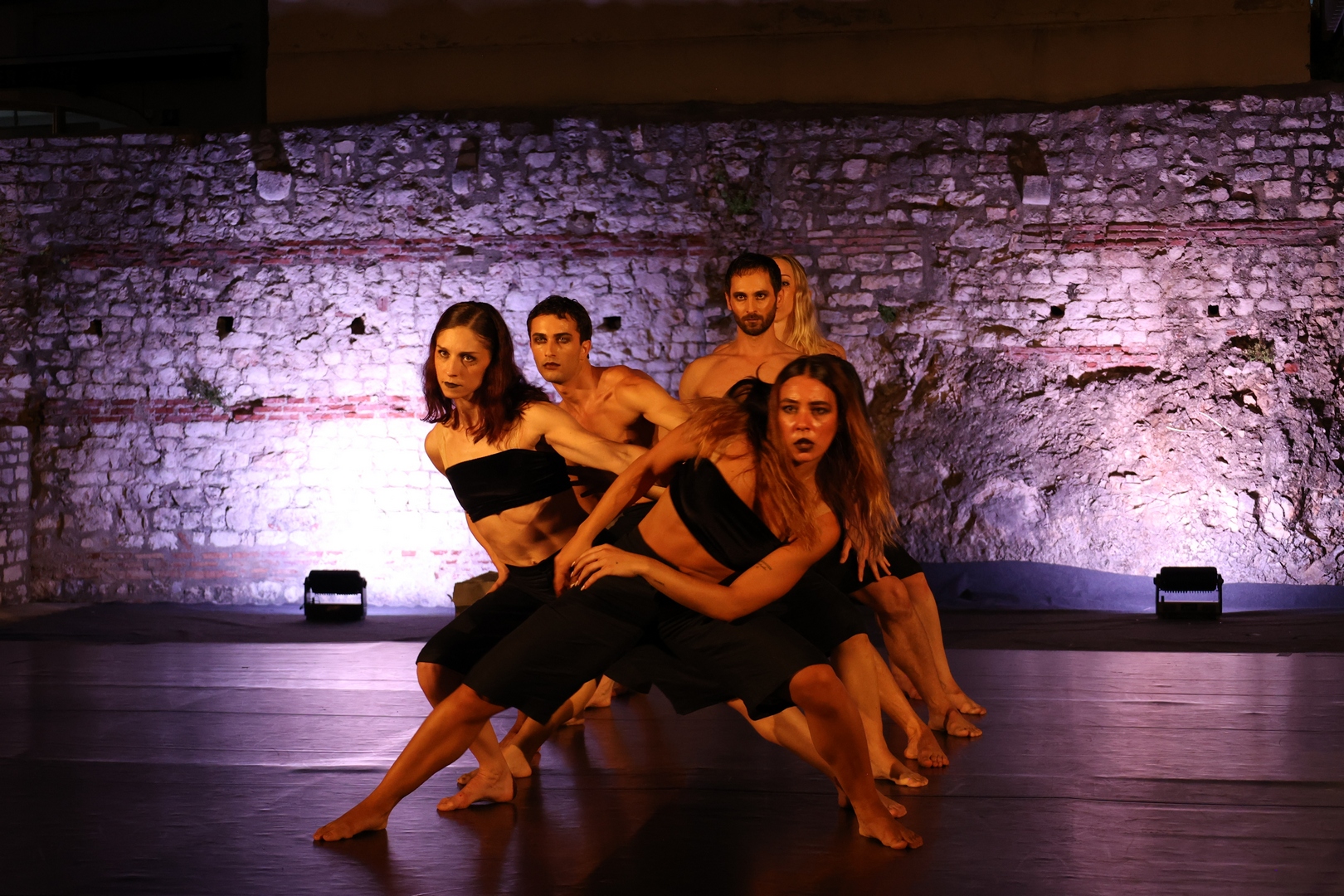
Alongside its regular theatre season, HNK Ivana pl. Zajc traditionally presents the Rijeka Summer Nights festival, opening up various public spaces across the city to theatre programmes — including drama productions, classical concerts and ballet performances. This season, the ballet ensemble not only opened itself up to audiences through a production staged among the remains of ancient archaeological excavations at the Principij Archaeological Park, but also introduced its ballet artists as talented young professionals with a claim in the world of dance.
The production by City in Motion (Grad u pokretu) focuses on Rijeka’s contribution to promoting young-generation artists and sustainable practices in theatre, as part of the Roadshow program by the network of European opera houses gathered in the FEDORA, platform, co-funded by the European Union.
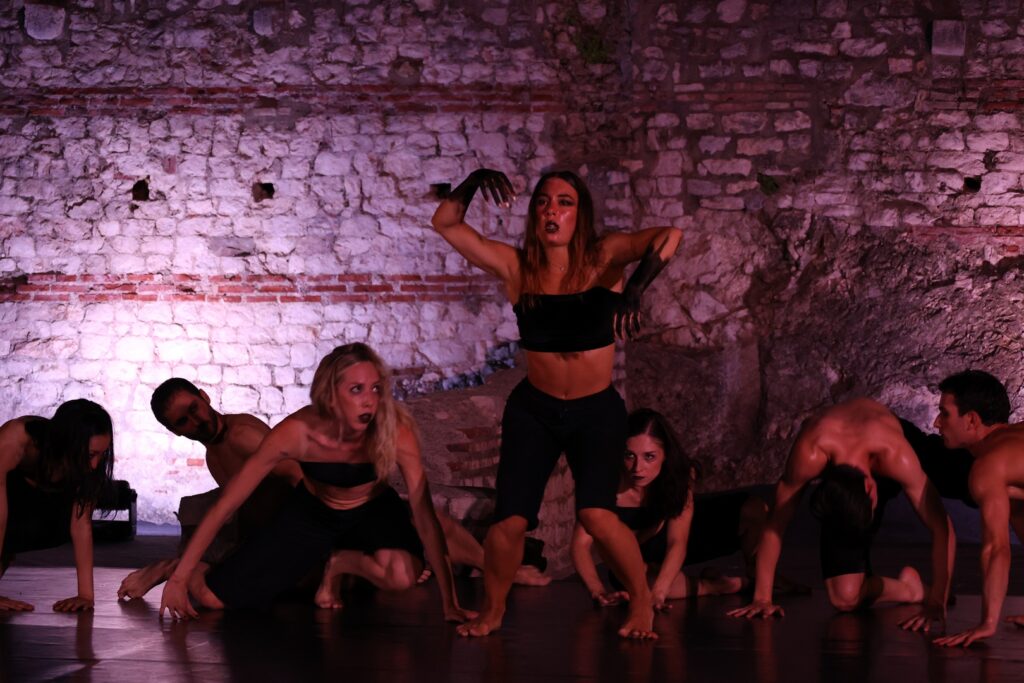
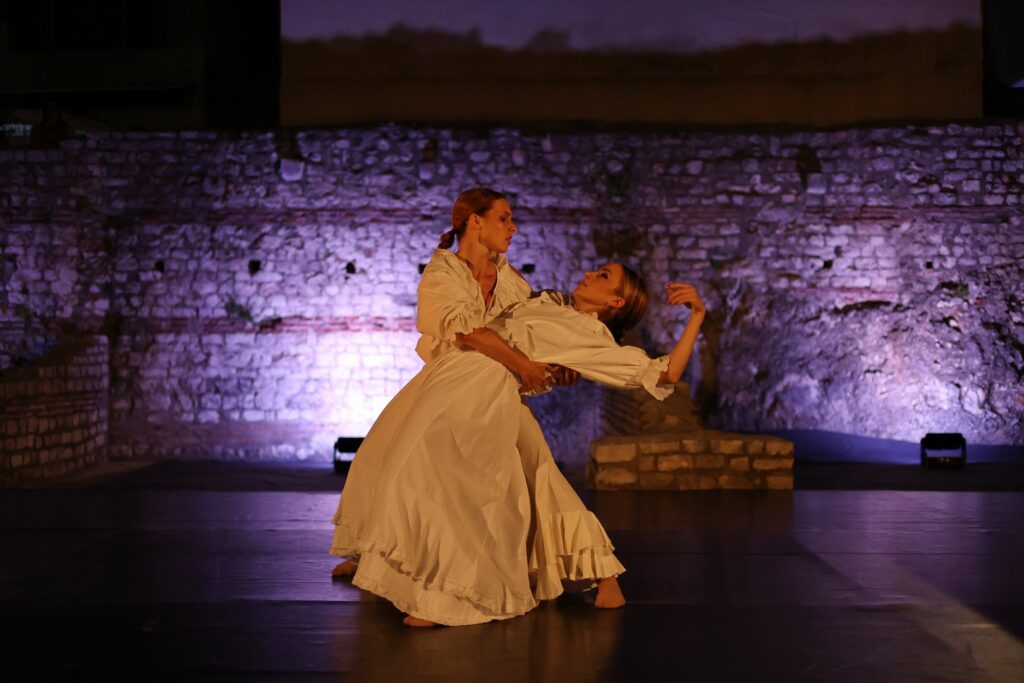
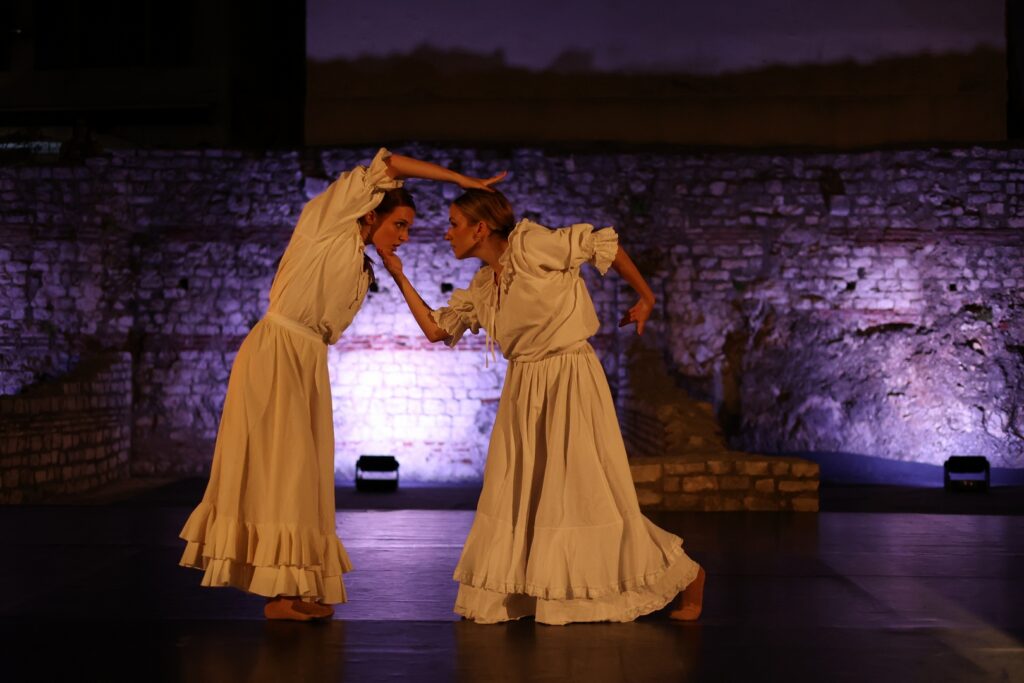
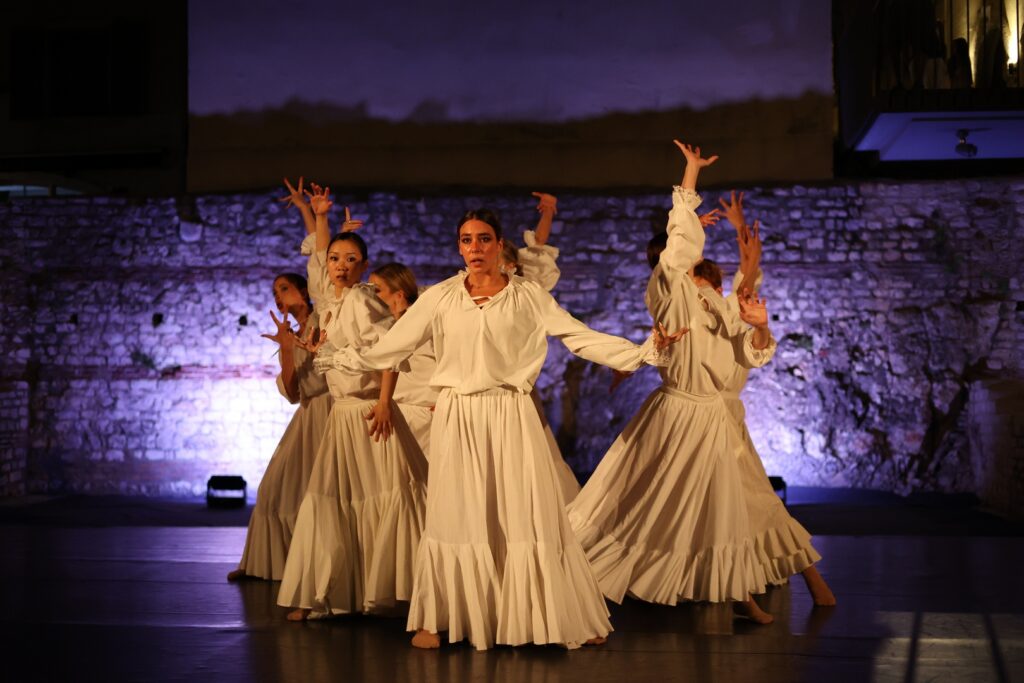
Isabelle Zabot and Federico Rubisse, members of the ballet ensemble of HNK Ivana pl. Zajc, have, alongside their established presence on stage as dancers, been given the opportunity to present themselves to their colleagues, the wider artistic community and the city as a new generation of promising choreographers. As part of the Rijeka Summer Nights programme, they presented the diptych City in Motion, with Federico presenting his choreography Khaos [13.8 B] and Isabelle her work Odo stormir… il suon di lei.
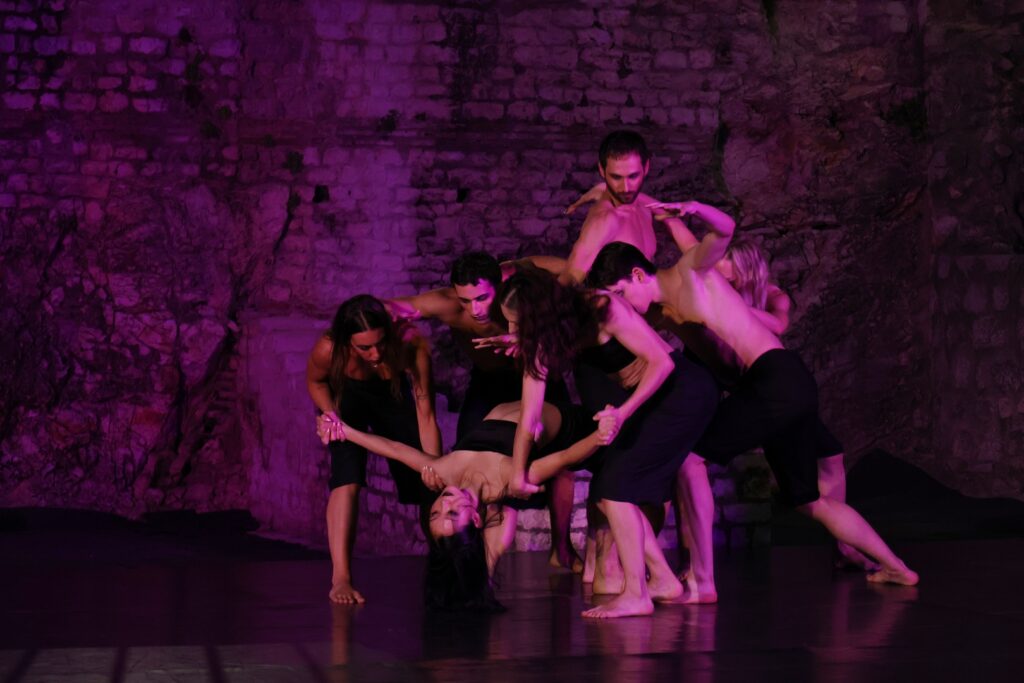
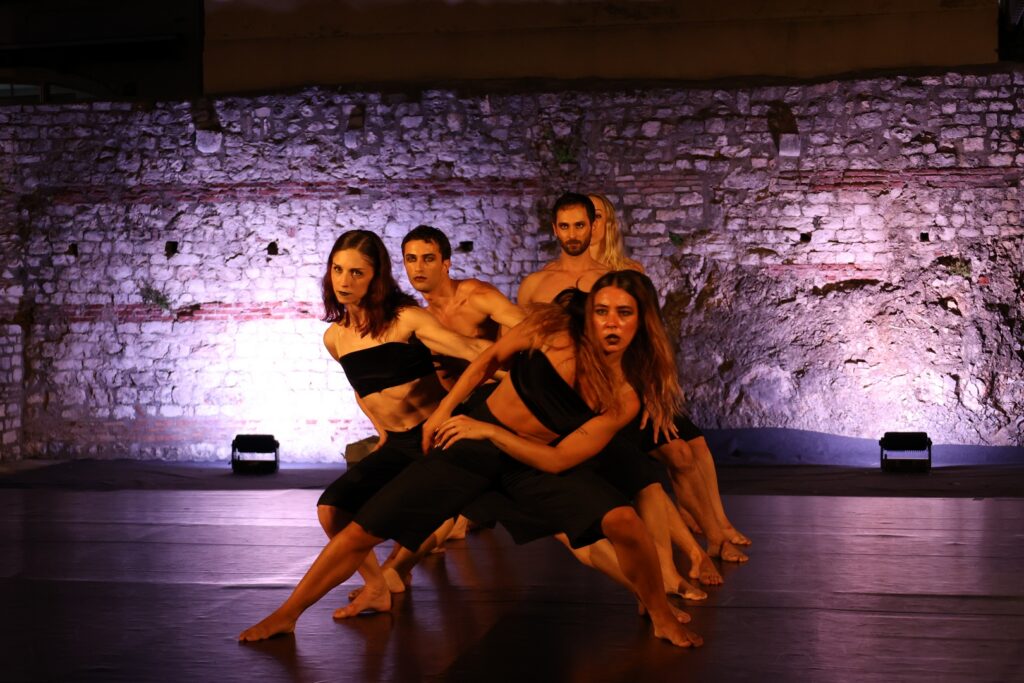
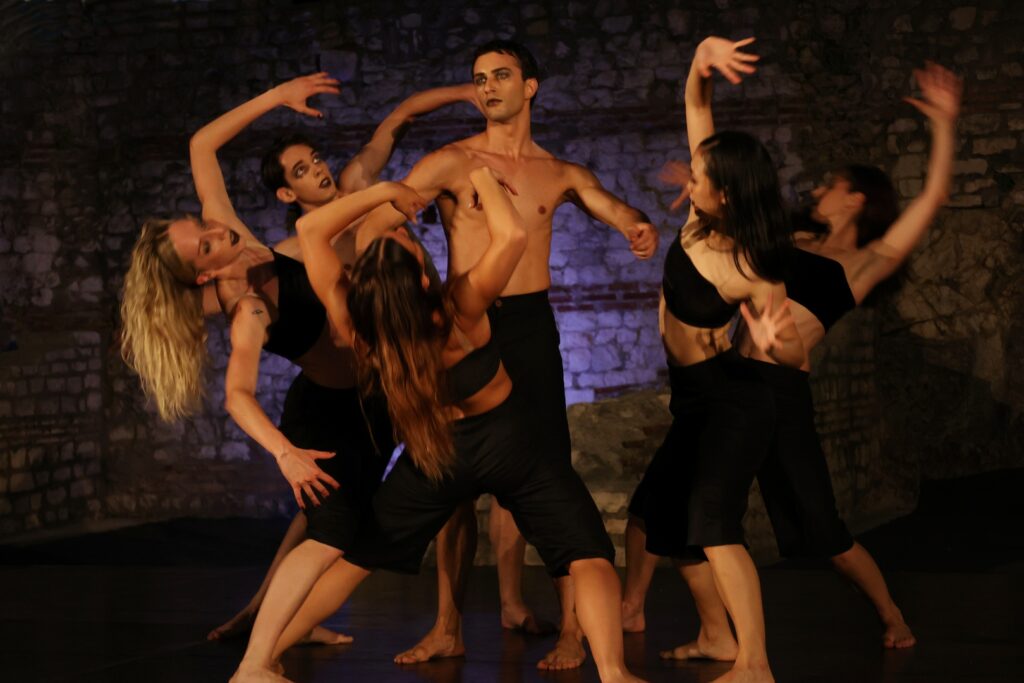
The two young dancers write about their creations:
Federico Rubisse:
Bodies move like particles within a universe that breathes, expands and collapses. Space is not a neutral container, but a living presence that bends and transforms under the influence of physical energy. Trajectories intertwine, attract and repel one another, creating unstable systems and temporary orbits. Movement passes through states of compression and dispersion, birth and dissolution. Every encounter becomes an event; every distance, a tension.
Isabelle Zabot:
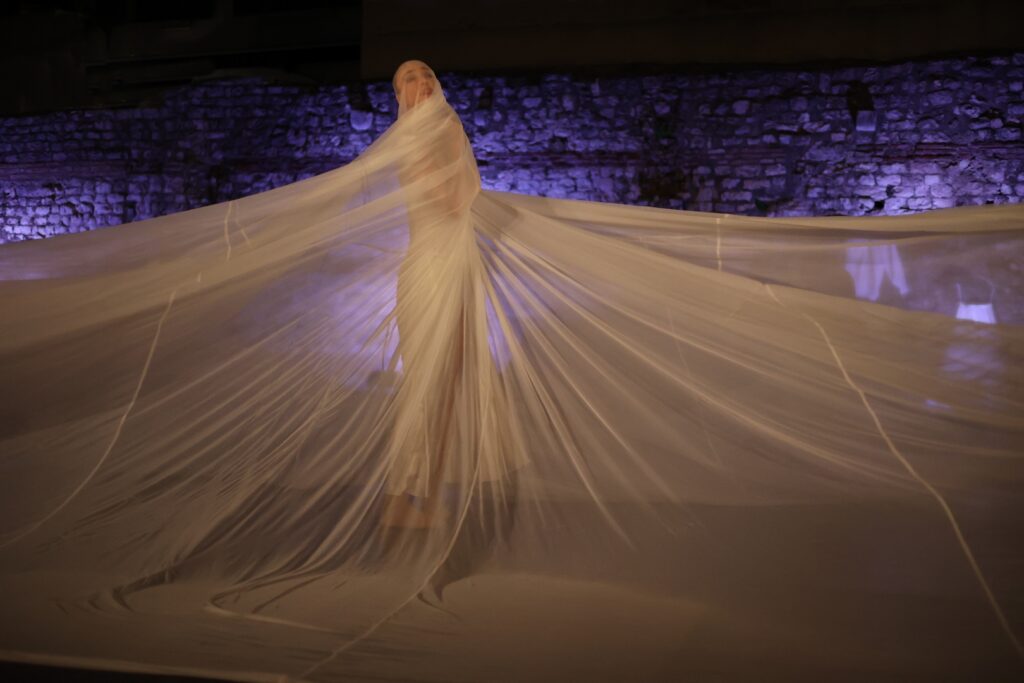
The sharp, sweet sound of a woman’s voice. A mystical atmosphere, mist from which shadows slowly emerge. And then the shadows transform. They are women, in their light, white dresses. Like their voices, their thoughts, their souls. So different from one another, each with her own personal story and experience, yet at the same time all the same. Together, they create a unison, dancing figures that float through space. Their movements can be gentle, or reveal the strength they possess. Women are joy for those who know how to appreciate them; women are sadness, melancholy and fragility. Women are human beings. Each within her own sea of emotions, truthful, authentic and unique.
Through their approach as complete authors who reflect on the performance as a whole, Isabelle and Federico stand out as young artists prepared to consider art in its full scope. Together with composer George Alexandru Baldovin, the creative duo also took responsibility for the costumes, set design and lighting design. In the archaeological park, they’ve set a ballet production open to the audiences of all ages, inviting reflection on the body, movement and gender.
At the same time, as young artists engaged with the world which they live in and create, Isabelle and Federico drew on the theatre’s existing archive of materials, reusing costumes, fabrics, props and set elements from past productions and giving them new life in a new space and within a new artistic creation. In doing so, they emphasise that reflecting on themes through art — and on the role of art in public space — also carries a responsibility. Their production thus embraces sustainability as an integral part of its artistic message.